Infrastructure Materials That Reenter the Supply Chain
Renewable Energy Scrap Removal in Odessa for operators decommissioning wind, solar, and energy generation equipment
Energy infrastructure generates significant metal scrap when systems are upgraded or decommissioned. Volt Edge Recycling removes and recycles components from wind turbines, solar installations, and supporting infrastructure across Odessa, Texas, and regionally, handling the large-scale material volumes that come with renewable energy projects. You need this service when turbine components reach end-of-life, solar arrays are replaced with newer technology, or transmission equipment is retired after system upgrades.
The work involves handling metals from nacelles, towers, racking systems, inverters, transformers, and structural supports—materials that include steel, aluminum, copper wiring, and specialty alloys. These components are often located in remote or difficult-to-access sites, which requires equipment capable of navigating unpaved roads, uneven terrain, and locations without standard loading infrastructure. Proper removal supports both operational efficiency and compliance with disposal regulations tied to energy sector projects.
Schedule renewable energy scrap removal to align with your decommissioning or upgrade project timeline.
Why Large-Scale Energy Scrap Handling Matters
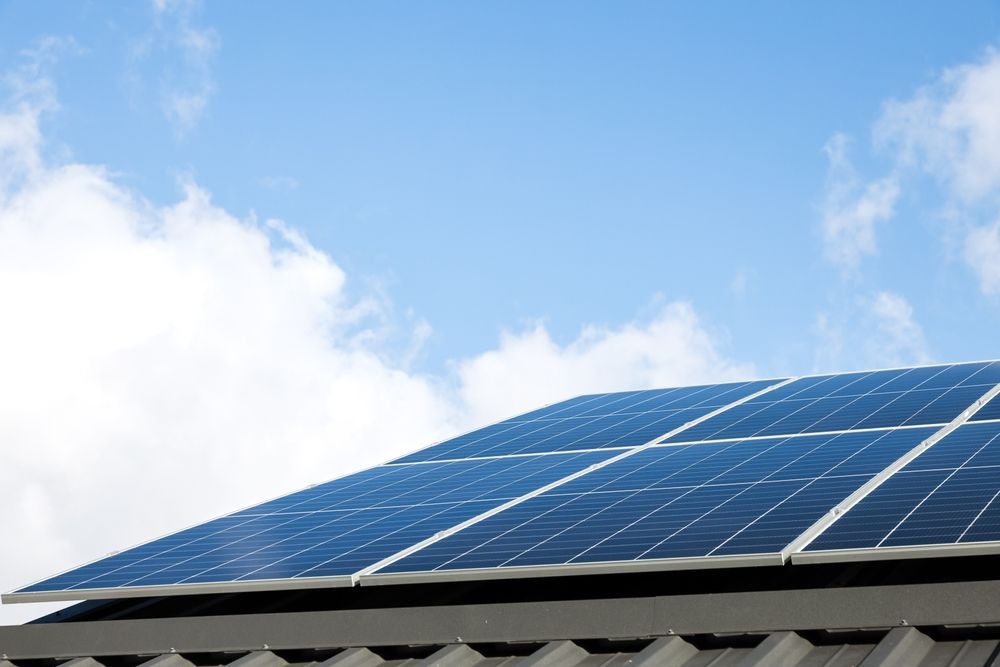
Renewable energy components are bulky, heavy, and often installed in locations designed for operational access rather than removal logistics. Turbine towers can weigh several tons, solar racking spans large areas, and transformers require rigging to move safely. The removal process includes disassembly when necessary, loading with equipment rated for the weight, and transport to processing facilities where metals are separated by type and prepared for reintroduction into manufacturing supply chains.
Once components are removed, your site becomes available for new installations or alternative land use. Access roads clear, foundations become available for repurposing, and operators no longer manage the liability of decommissioned equipment sitting idle. The removal also addresses environmental stewardship goals by ensuring that metals are recovered rather than abandoned in place or sent to landfills.
This service handles metal components and infrastructure but doesn't include blade disposal, panel glass recycling, or composite material processing. Those materials require specialized facilities with capabilities beyond metal recycling, and they're typically managed through separate waste streams or manufacturers' take-back programs.
Common Questions About This Service
Operators managing renewable energy decommissioning and upgrade projects often ask about logistics, material handling, and regulatory considerations specific to energy infrastructure.
What components from renewable energy systems are recyclable?
Steel towers, aluminum racking, copper wiring, transformers, switchgear, and nacelle housings all qualify as recyclable metal scrap. Fiberglass blades, photovoltaic cells, and composite materials fall outside the scope of metal recycling and require different disposal pathways.
How are remote site locations handled for pickup?
Removal is coordinated using equipment suitable for off-road access, and materials are staged at points where transport vehicles can load efficiently. In areas across Texas and other service regions, access routes are evaluated during planning to avoid delays caused by ground conditions or seasonal weather.
What happens to copper wiring and electrical components?
Copper is separated from insulation and other materials during processing, then routed to recycling facilities that handle non-ferrous metals. Electrical components are disassembled to recover copper, aluminum, and steel, with non-metallic parts directed to appropriate disposal streams.
How does scrap removal support compliance requirements?
Proper documentation of material weight and recycling confirms that decommissioned equipment was handled responsibly, which supports environmental reporting and regulatory compliance tied to energy project permits. This documentation is especially relevant for projects with waste diversion or sustainability commitments.
What factors determine the timeline for large-scale removal?
Volume, site accessibility, component size, and disassembly requirements all affect how long removal takes. A single turbine site may clear in days, while a full wind farm decommission can take weeks depending on equipment availability and weather conditions.
Volt Edge Recycling serves renewable energy operators managing infrastructure transitions across regional service areas. Request a project consultation to evaluate component volumes and establish a removal plan that fits your decommissioning schedule.