Predictable Schedules for Ongoing Operations
Recurring Commercial Scrap Pickup in Odessa for businesses with steady metal output from production or fabrication work
Manufacturing and fabrication operations generate scrap continuously—offcuts, turnings, rejected parts, and packaging materials accumulate daily. When metal scrap isn't removed regularly, it fills floor space, creates safety hazards, and forces staff to manage disposal instead of focusing on production. Volt Edge Recycling provides scheduled pickup services for businesses across Odessa, Texas, and throughout regional service areas, establishing reliable removal timelines that keep workspaces clear and operational. This service is built for facilities with consistent metal generation, where predictable scheduling eliminates the need to arrange one-off pickups or manage overflow storage.
The process involves setting a pickup frequency based on your scrap generation rate—weekly, biweekly, or monthly depending on production volume. Containers are placed on-site for accumulating materials between pickups, and crews arrive on a fixed schedule to swap full containers for empty ones. This approach supports long-term partnership rather than transactional service, and it ensures scrap removal never becomes a bottleneck in your operation.
Set up recurring service by evaluating your current scrap generation and establishing a pickup schedule that prevents overflow.
What Proper Scrap Management Accomplishes
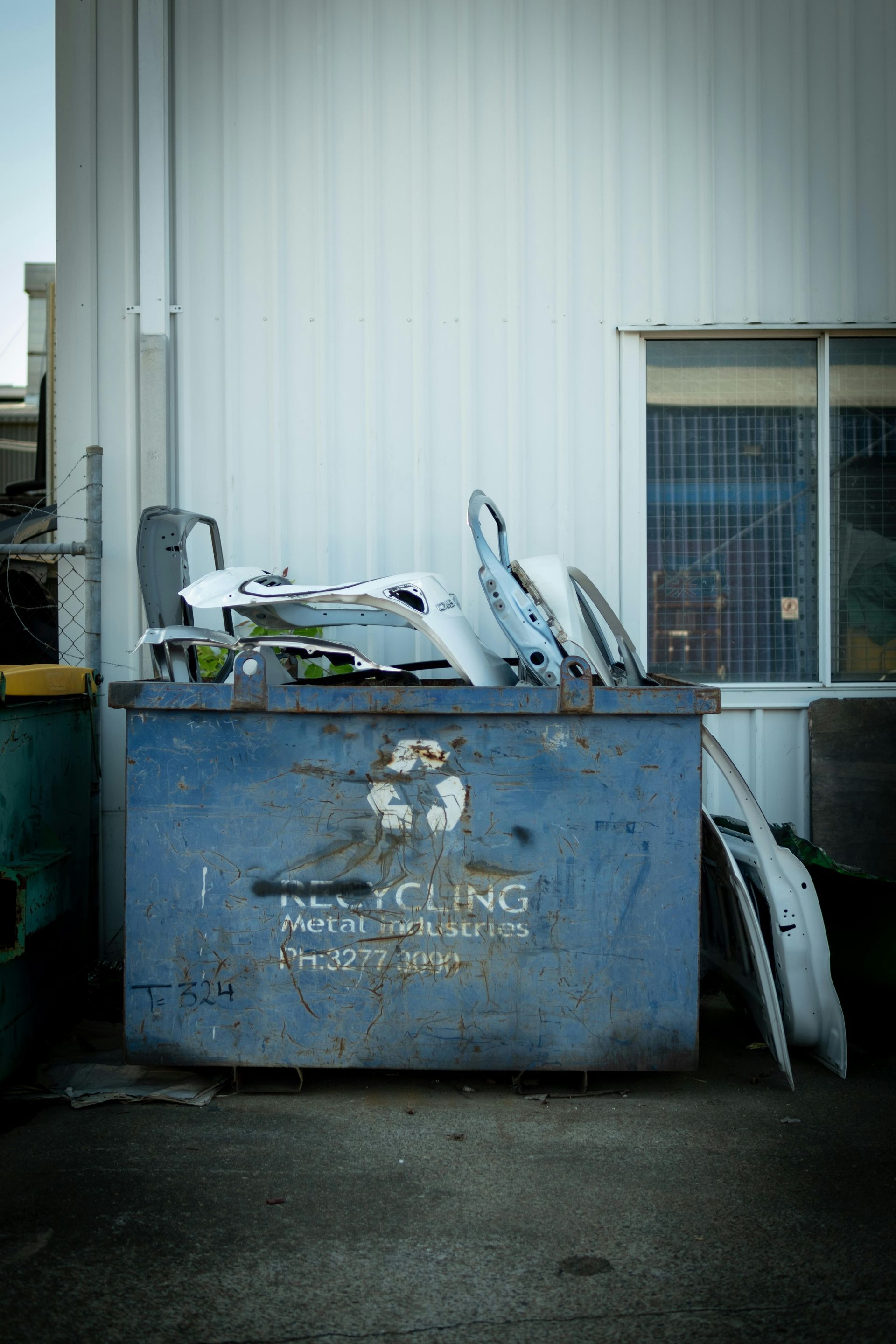
Recurring pickup begins with an assessment of your material types and volume trends to determine appropriate container size and frequency. Steel offcuts, aluminum trim, copper wire scrap, and other metals are collected in designated containers, which keeps production areas organized and prevents mixed materials from complicating recycling. Flexible frequency adjustments accommodate seasonal changes or production shifts, so you're not locked into a schedule that no longer fits your output.
Once recurring service is active, you'll notice cleaner work areas, reduced time spent managing scrap logistics, and fewer interruptions caused by full containers or emergency pickups. Employees have clear protocols for scrap disposal, and floor space remains available for productive use rather than temporary storage. The predictable schedule also supports operational planning—you know when scrap will be removed, and you can coordinate other facility activities around that timeline.
Service includes pickup and container management, but doesn't cover hazardous waste, contaminated materials, or non-metallic manufacturing waste. Those materials require separate waste streams and disposal methods beyond standard metal recycling, and they're typically handled through environmental service providers with appropriate permits.
What Property Owners Usually Ask
Businesses evaluating recurring scrap pickup often have questions about scheduling flexibility, container sizing, and how the service adapts to changing production demands.
How is pickup frequency determined initially?
Frequency is based on your current scrap generation rate, available floor space for containers, and how quickly materials accumulate. Facilities producing high volumes of offcuts may need weekly service, while lower-volume operations may schedule biweekly or monthly pickups.
What happens if scrap volume increases or decreases?
Pickup frequency and container size can be adjusted as production needs change. In Odessa and across service areas in Texas, clients communicate volume changes and schedules are modified to prevent overflow or unnecessary pickups during slower periods.
What types of materials are collected during recurring service?
Ferrous metals like steel and iron, non-ferrous metals like aluminum and copper, and metal packaging or banding are all collected. Mixed loads are accepted, though separating materials by type on-site improves recycling efficiency and can affect material value.
How does recurring service help maintain clean workspaces?
Designated containers and predictable pickup timing eliminate ad hoc scrap piles and the need for staff to arrange disposal. This keeps production floors organized, reduces trip hazards, and ensures compliance with workplace safety standards related to material storage.
What documentation is provided for ongoing pickups?
Each pickup generates a weight ticket or receipt that confirms material type and quantity removed. This documentation supports waste tracking, sustainability reporting, and financial records tied to scrap revenue or disposal costs.
Volt Edge Recycling partners with commercial and industrial clients managing consistent scrap generation across Texas and nationally. Contact the team to schedule an initial assessment and establish a recurring pickup plan that fits your production schedule and facility needs.