Hardware Retirements That Clear the Floor
Data Center Scrap Recycling in Odessa for facilities decommissioning racks, wiring, and metal infrastructure during upgrades
Data centers generate substantial metal scrap when hardware is refreshed or facilities are reconfigured—copper cabling, aluminum server chassis, steel racks, and infrastructure components accumulate quickly during upgrade cycles. Volt Edge Recycling handles the removal and recycling of metal materials from data center equipment across Odessa, Texas, and nationally, supporting both partial upgrades and full decommissioning projects. Secure and efficient removal processes keep your project on schedule while clearing space for new installations.
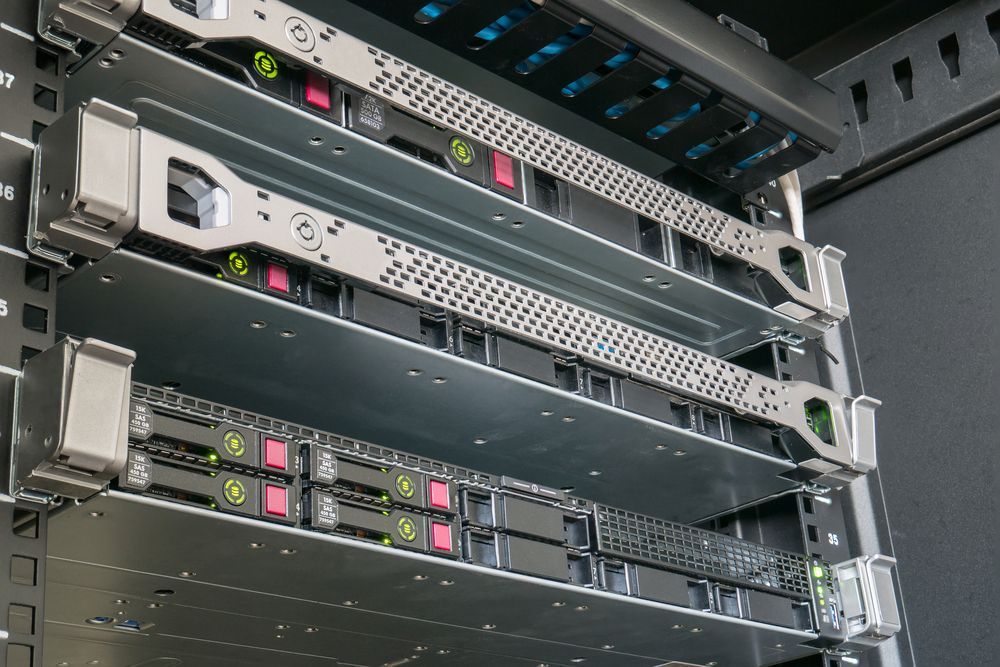
This service focuses on the metal components associated with data center operations: wiring from power distribution and networking, structural racks and cable trays, cooling system metals, and hardware casings from decommissioned servers and storage units. The process includes coordinated removal during planned downtime, sorting of materials by type to maximize recovery value, and documentation that confirms materials entered a traceable recycling stream rather than general waste disposal.
Request data center recycling services to coordinate removal timing with your facility upgrade or decommissioning schedule.
What Changes After Data Center Scrap Is Removed
Metal recycling from data centers begins with planning around facility operations—removal is timed to avoid disrupting active systems, and staging areas are designated to keep materials organized during the clearing process. Copper wiring is separated from aluminum and steel, which ensures each material type reaches the appropriate recycling stream. Pickup services are included for qualifying volumes, which means large-scale clients don't coordinate separate haulers for different material categories.
After scrap is cleared, your facility has open floor space for new rack installations, updated cabling pathways, and reconfigured cooling infrastructure. Aisles become accessible for equipment staging, and technicians no longer navigate around decommissioned hardware waiting for disposal. The removal also eliminates the security risk of storing components that may still contain residual data or proprietary hardware sitting in unsecured areas.
This service handles metal infrastructure and hardware-related scrap but doesn't include data sanitization, electronic waste processing for circuit boards, or secure destruction of storage media. Those services require certified e-waste vendors with NAID or R2 certifications, and they're managed separately from bulk metal recycling.
Questions Before Starting Your Project
Facility managers overseeing data center upgrades and decommissioning projects typically ask about removal logistics, material handling, and documentation for compliance and auditing purposes.
What data center materials qualify for metal recycling?
Server racks, cable trays, copper and aluminum wiring, structural supports, cooling system components, UPS housings, and metal enclosures are all recyclable. Circuit boards, storage drives, and peripheral electronics require separate e-waste processing with certified vendors.
How is removal scheduled to avoid disrupting operations?
Pickup is coordinated during maintenance windows, facility shutdowns, or phased decommissioning schedules. For data centers in Odessa and other service locations, timing is arranged with facility managers to ensure removal crews access staging areas without entering active server environments.
What happens to copper cabling removed during upgrades?
Copper is separated from insulation and connectors during processing, then sent to recycling facilities that specialize in non-ferrous metals. This ensures copper reenters manufacturing supply chains rather than being disposed of as mixed waste.
How are materials documented for audit and compliance purposes?
Weight tickets and material receipts confirm what was removed and where it was processed. This documentation supports internal audits, environmental reporting, and sustainability goals tied to corporate waste diversion commitments.
What site conditions affect how quickly scrap can be cleared?
Loading dock access, elevator capacity, hallway width, and whether materials need to be staged before removal all influence timeline. Facilities with dedicated loading areas and ground-level access clear faster than those requiring materials to be moved through restricted or multi-floor spaces.
Volt Edge Recycling works with data center operators managing hardware transitions and facility reconfigurations. Contact the team to arrange an assessment and establish a removal plan that aligns with your upgrade or decommissioning timeline.